Tradition, la photo olé olé du soir. Traumenssiegut!
Tradition, la photo olé olé du soir. Traumenssiegut!
Alexandre Dumas
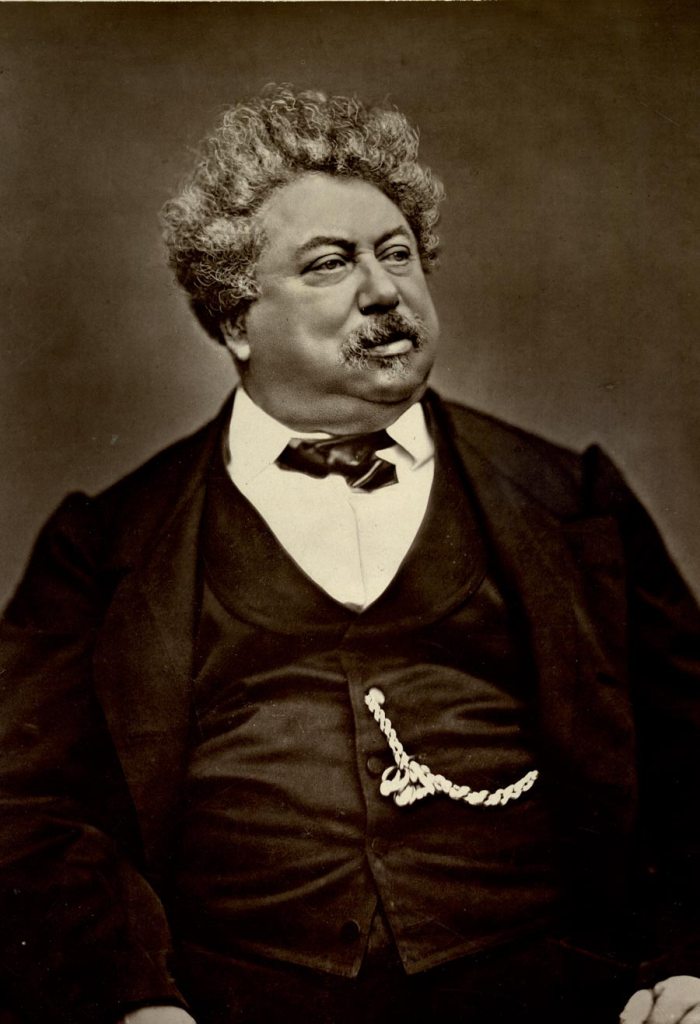
Octave Mirbeau
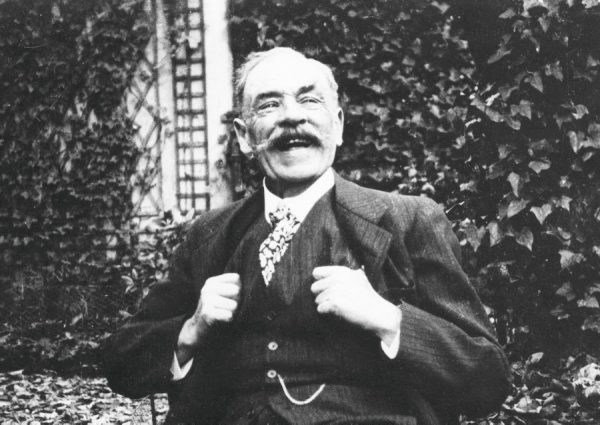
Antoine Blondin
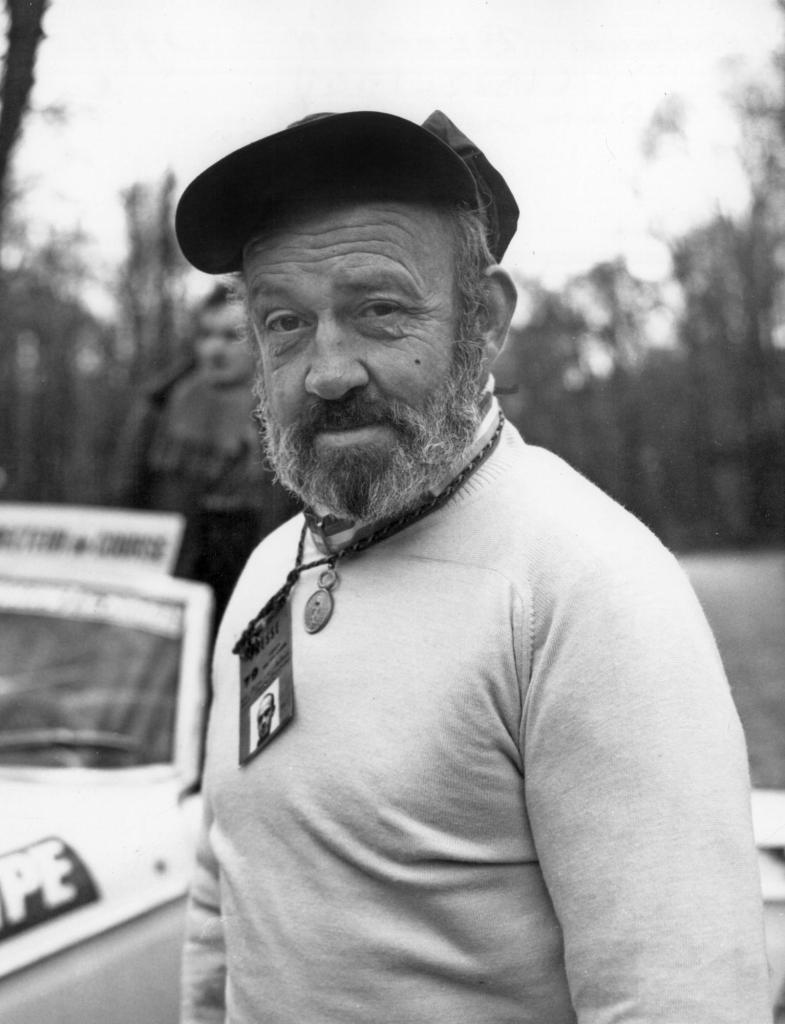
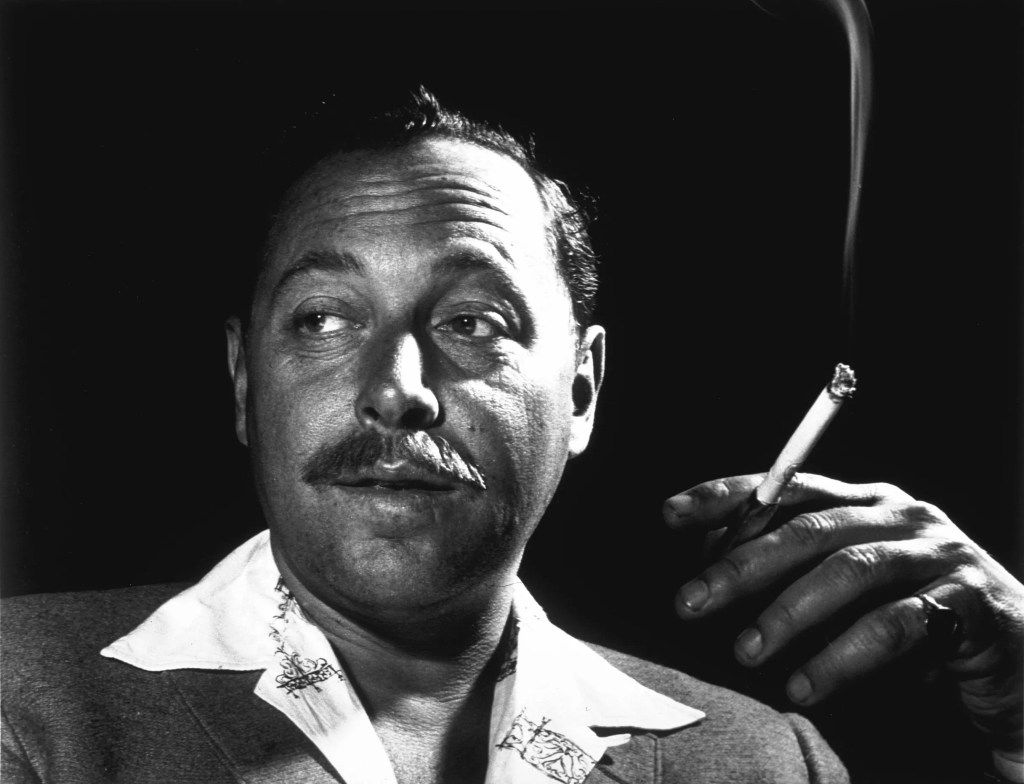
Tennessee Williams
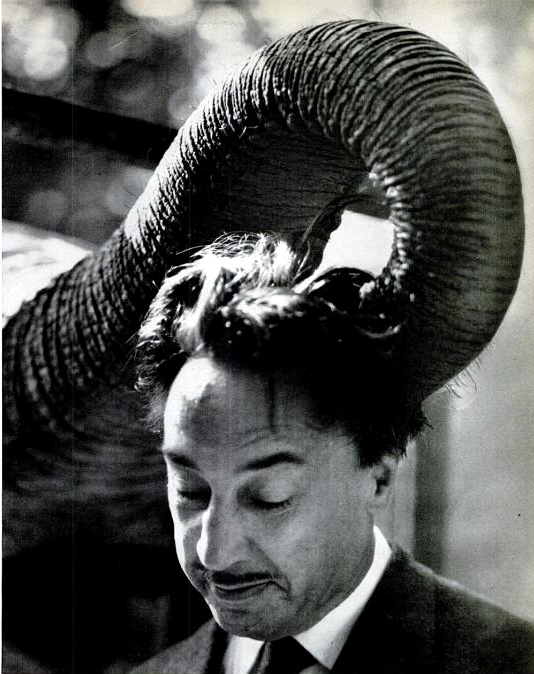
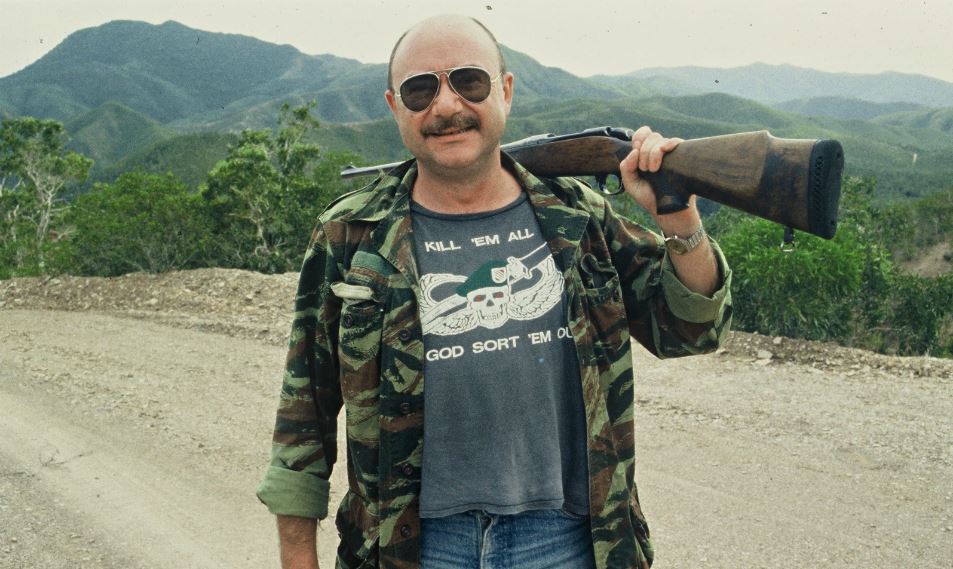
Romain Gary
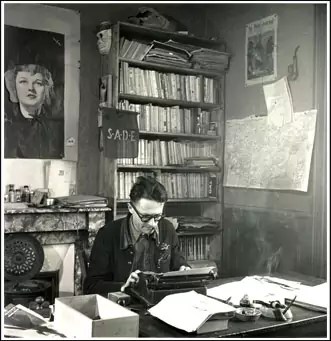
Jean Ray, maître du fantastique de Gand.
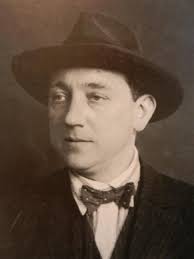
Frédéric Dard
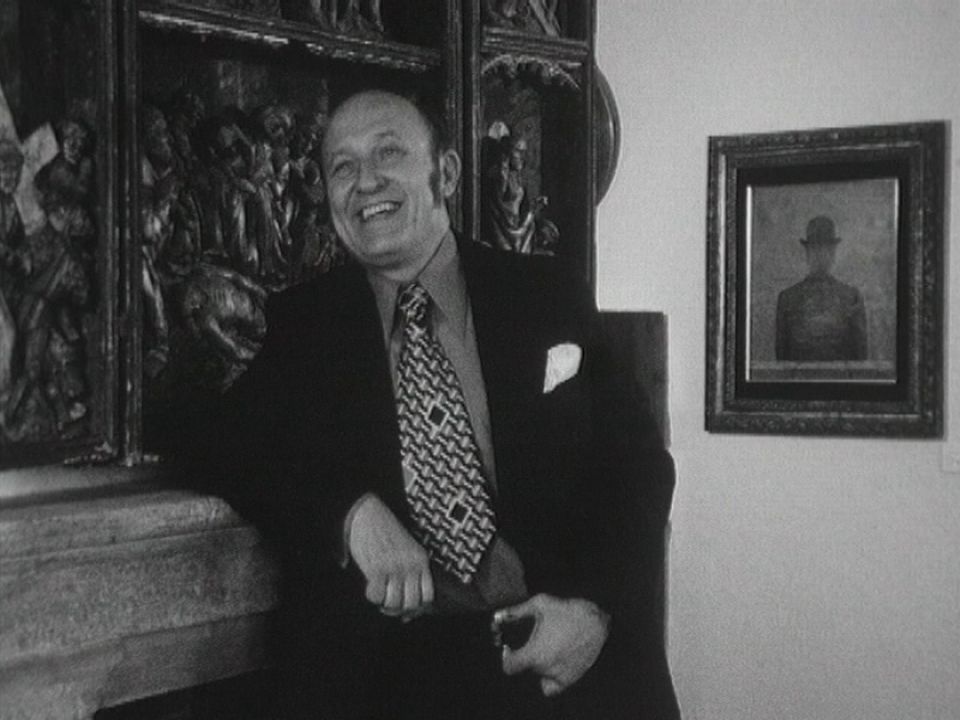
Guy de Maupassant
En tant qu’auteur, il va de soi que les livres comptent pour moi. Il me semble bon de préciser à ce propos que le titre de ce blog « Retro France Pop » n’est pas anodin. La culture et la langue de notre pays occupent une place centrale dans ma vie. Et dans cette culture, la littérature est évidemment plus qu’importante, sans cela je n’aurais pas la prétention d’écrire. Un peu. Car comme disait A.D.G, il faut avoir beaucoup lu pour pouvoir écrire un peu.
Aussi il me paraît inconcevable d’écrire sans avoir lu ni aimer les livres, celui qui se permet une telle affirmation est un génie. Ou le dernier des imbéciles.
En tant qu’écrivain de genre – policier en l’occurrence, mais pas que!- la littérature populaire est une de mes passions. Française, avant tout.
Les étrangers ont également leur importance, les auteurs d’autres pays feront de toutes façons l’objet d’un article, mais en attendant, voici un panel des livres et des auteurs français et francophones qui m’ont influencé. Entre classiques, roman populaire et parfois curiosités.
Avant tout, voici mes auteurs:
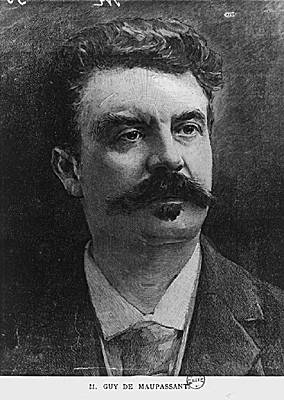
Jules Amédée Barbey D’Aurevilly.
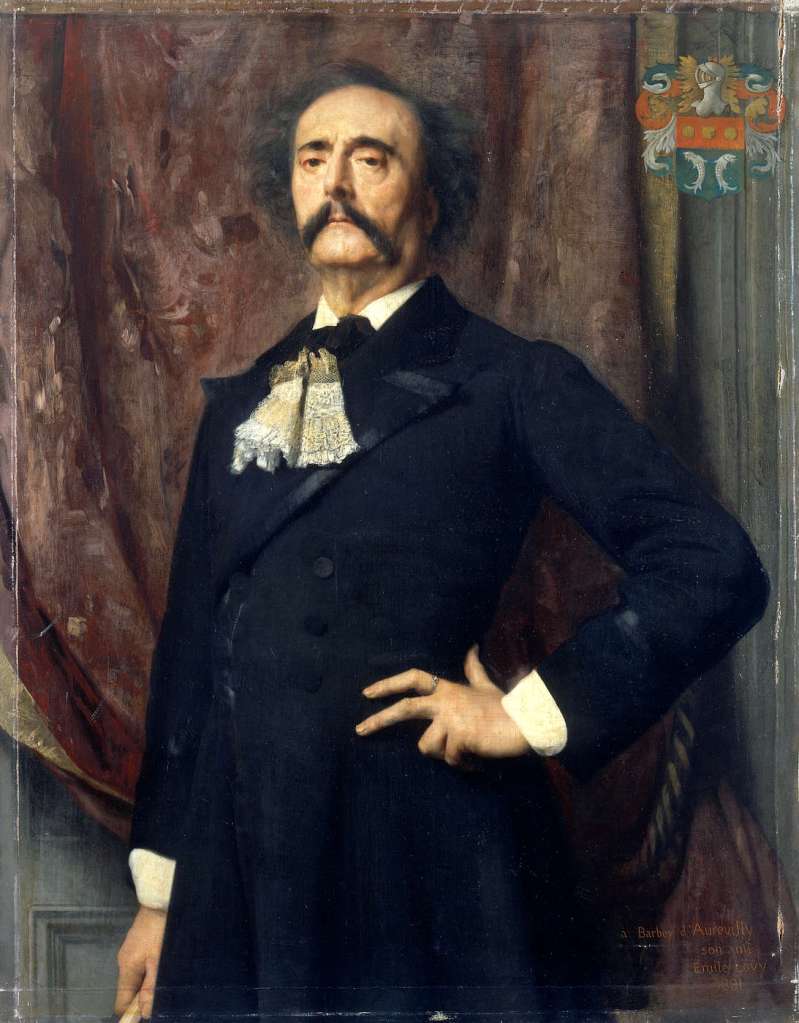
Alain Dreux Galoup dit A.D.G
Légendes urbaines et héros oubliés
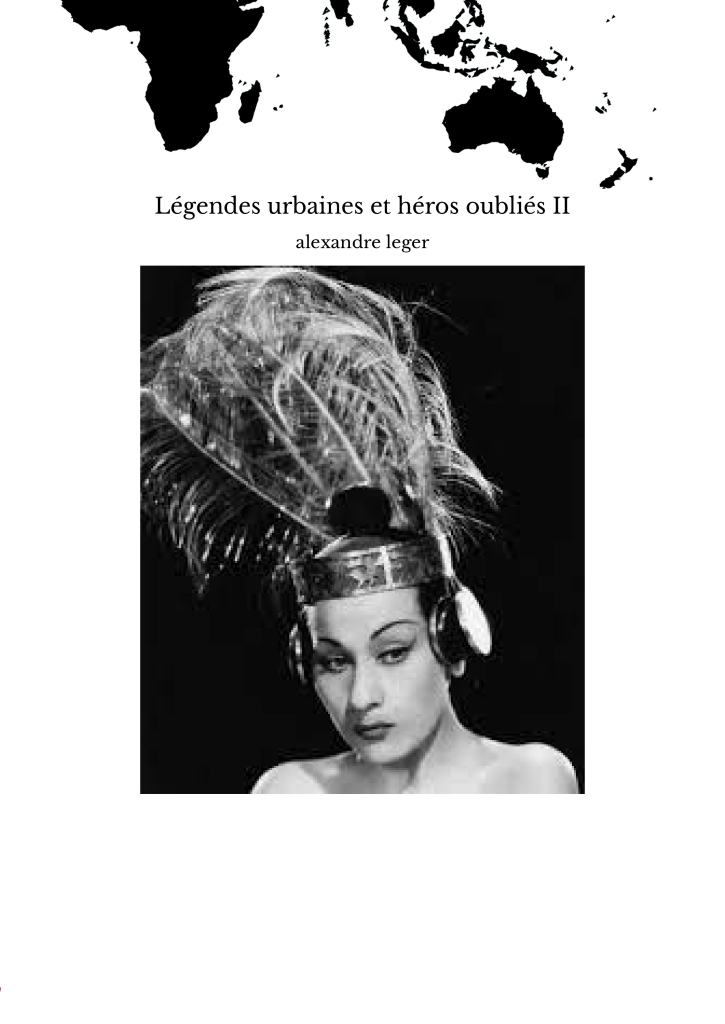
« Légendes urbaines et héros oubliés, tome II » se situe dans une veine identique que le recueil précédent. Mélangeant l’essentiel et l’anecdote, la pure fiction et un fond de réalité. Il se distingue toutefois de son prédécesseur par un fil conducteur, en l’occurrence le dialogue entre deux psychiatres qui, afin de résoudre un cas particulièrement difficile, se racontent les cas psychiatriques les plus extravagants. Ces récits les amèneront dans le Paris des années 1950 ( Napoléon et la dernière princesse Inca, dans lequel apparaissent des personnages bien connus des lecteurs de Vicky Lynn!) l’Indochine coloniale ( Une épée) la France des années Mitterrand ( Le dernier malheur de Sophie, Monsieur Miko) et même la France contemporaine dans le succulent « Le retour du homard garou » lequel nous fait retrouver le protagoniste de « Délice de homard » paru dans le premier recueil, Corentin. Entre amours déçues, épopée, fantastique, ces nouvelles abordent des thèmes tels la paternité, les questions de genre ainsi que la vengeance et l’inscription de destins individuels dans l’Histoire tout court.
Bonjour et bienvenue à tous sur ce blog consacré à mes extravagances écrites; lesquelles, pour être très personnelles, n’en font pas moins référence à un passé de la littérature de genre internationale mais d’abord et surtout française. Je suis déjà l’auteur de deux romans autopubliés chez TheBookEdition.com « Le charme secret de Vicky Lynn » et « Poucet à Barbès », ainsi que de deux recueils de nouvelles « Légendes urbaines et héros oubliés » « Légendes urbaines et héros oubliés tome II »

Abonnez-vous pour avoir accès à la suite de cette publication et au contenu réservé aux abonnés.
Abonnez-vous pour avoir accès à la suite de cette publication et au contenu réservé aux abonnés.
Bonjour et bienvenue à tous dans mon univers. Romancier pour l’instant auto-publié, passionné par les littératures de genre (et les autres aussi!) je suis l’auteur de deux romans « Le charme secret de Vicky Lynn » et « Poucet à Barbès » ainsi que de deux recueils de nouvelles « Légendes urbaines et héros oubliés » tome 1 et 2.
Barbeaux, transgenres, truands, policiers à la dérive, paumés en tout genres,soldats, anciens déportés, personnes ordinaires à qui l’extraordinaire arrive, personnages ordinaires immergés dans la banalité. Et tout ce petit monde se promène à diverses époques, de l’Après-guerre à nos jours, de la Première Guerre Mondiale à l’ère post-hippie.
Bienvenue à vous dans ce monde.
The studio was filled with the rich odour of roses, and when the light summer wind stirred amidst the trees of the garden, there came through the open door the heavy scent of the lilac, or the more delicate perfume of the pink-flowering thorn.
From the corner of the divan of Persian saddle-bags on which he was lying, smoking, as was his custom, innumerable cigarettes, Lord Henry Wotton could just catch the gleam of the honey-sweet and honey-coloured blossoms of a laburnum, whose tremulous branches seemed hardly able to bear the burden of a beauty so flamelike as theirs; and now and then the fantastic shadows of birds in flight flitted across the long tussore-silk curtains that were stretched in front of the huge window, producing a kind of momentary Japanese effect, and making him think of those pallid, jade-faced painters of Tokyo who, through the medium of an art that is necessarily immobile, seek to convey the sense of swiftness and motion. The sullen murmur of the bees shouldering their way through the long unmown grass, or circling with monotonous insistence round the dusty gilt horns of the straggling woodbine, seemed to make the stillness more oppressive. The dim roar of London was like the bourdon note of a distant organ.
In the centre of the room, clamped to an upright easel, stood the full-length portrait of a young man of extraordinary personal beauty, and in front of it, some little distance away, was sitting the artist himself, Basil Hallward, whose sudden disappearance some years ago caused, at the time, such public excitement and gave rise to so many strange conjectures.
As the painter looked at the gracious and comely form he had so skilfully mirrored in his art, a smile of pleasure passed across his face, and seemed about to linger there. But he suddenly started up, and closing his eyes, placed his fingers upon the lids, as though he sought to imprison within his brain some curious dream from which he feared he might awake.
“It is your best work, Basil, the best thing you have ever done,” said Lord Henry languidly. “You must certainly send it next year to the Grosvenor. The Academy is too large and too vulgar. Whenever I have gone there, there have been either so many people that I have not been able to see the pictures, which was dreadful, or so many pictures that I have not been able to see the people, which was worse. The Grosvenor is really the only place.”
“I don’t think I shall send it anywhere,” he answered, tossing his head back in that odd way that used to make his friends laugh at him at Oxford. “No, I won’t send it anywhere.”
Lord Henry elevated his eyebrows and looked at him in amazement through the thin blue wreaths of smoke that curled up in such fanciful whorls from his heavy, opium-tainted cigarette. “Not send it anywhere? My dear fellow, why? Have you any reason? What odd chaps you painters are! You do anything in the world to gain a reputation. As soon as you have one, you seem to want to throw it away. It is silly of you, for there is only one thing in the world worse than being talked about, and that is not being talked about. A portrait like this would set you far above all the young men in England, and make the old men quite jealous, if old men are ever capable of any emotion.”
“I know you will laugh at me,” he replied, “but I really can’t exhibit it. I have put too much of myself into it.”
Lord Henry stretched himself out on the divan and laughed.
“Yes, I knew you would; but it is quite true, all the same.”
“Too much of yourself in it! Upon my word, Basil, I didn’t know you were so vain; and I really can’t see any resemblance between you, with your rugged strong face and your coal-black hair, and this young Adonis, who looks as if he was made out of ivory and rose-leaves. Why, my dear Basil, he is a Narcissus, and you—well, of course you have an intellectual expression and all that. But beauty, real beauty, ends where an intellectual expression begins. Intellect is in itself a mode of exaggeration, and destroys the harmony of any face. The moment one sits down to think, one becomes all nose, or all forehead, or something horrid. Look at the successful men in any of the learned professions. How perfectly hideous they are! Except, of course, in the Church. But then in the Church they don’t think. A bishop keeps on saying at the age of eighty what he was told to say when he was a boy of eighteen, and as a natural consequence he always looks absolutely delightful. Your mysterious young friend, whose name you have never told me, but whose picture really fascinates me, never thinks. I feel quite sure of that. He is some brainless beautiful creature who should be always here in winter when we have no flowers to look at, and always here in summer when we want something to chill our intelligence. Don’t flatter yourself, Basil: you are not in the least like him.”
“You don’t understand me, Harry,” answered the artist. “Of course I am not like him. I know that perfectly well. Indeed, I should be sorry to look like him. You shrug your shoulders? I am telling you the truth. There is a fatality about all physical and intellectual distinction, the sort of fatality that seems to dog through history the faltering steps of kings. It is better not to be different from one’s fellows. The ugly and the stupid have the best of it in this world. They can sit at their ease and gape at the play. If they know nothing of victory, they are at least spared the knowledge of defeat. They live as we all should live—undisturbed, indifferent, and without disquiet. They neither bring ruin upon others, nor ever receive it from alien hands. Your rank and wealth, Harry; my brains, such as they are—my art, whatever it may be worth; Dorian Gray’s good looks—we shall all suffer for what the gods have given us, suffer terribly.”
“Dorian Gray? Is that his name?” asked Lord Henry, walking across the studio towards Basil Hallward.
“Yes, that is his name. I didn’t intend to tell it to you.”

Alexandre Léger auteur rétro
Célébrons aujourd’hui Sainte Claire D’Assise!
Aujourd’hui: Edition spéciale truands qui déraillent, troisième partie. « Scarface » de Brian de Palma (Etats-unis, 1983) « Je suis…comment vous dites?…. Paranoiaque… » L’histoire de Tony Montana, immigré passé des prisons cubaines à l’épluchage d’oignons avant de se retrouver sur le trône de la cocaine dont il ne tardera pas à chuter. Que n’a-t-on écrit et dit sur…

 france retro pop